
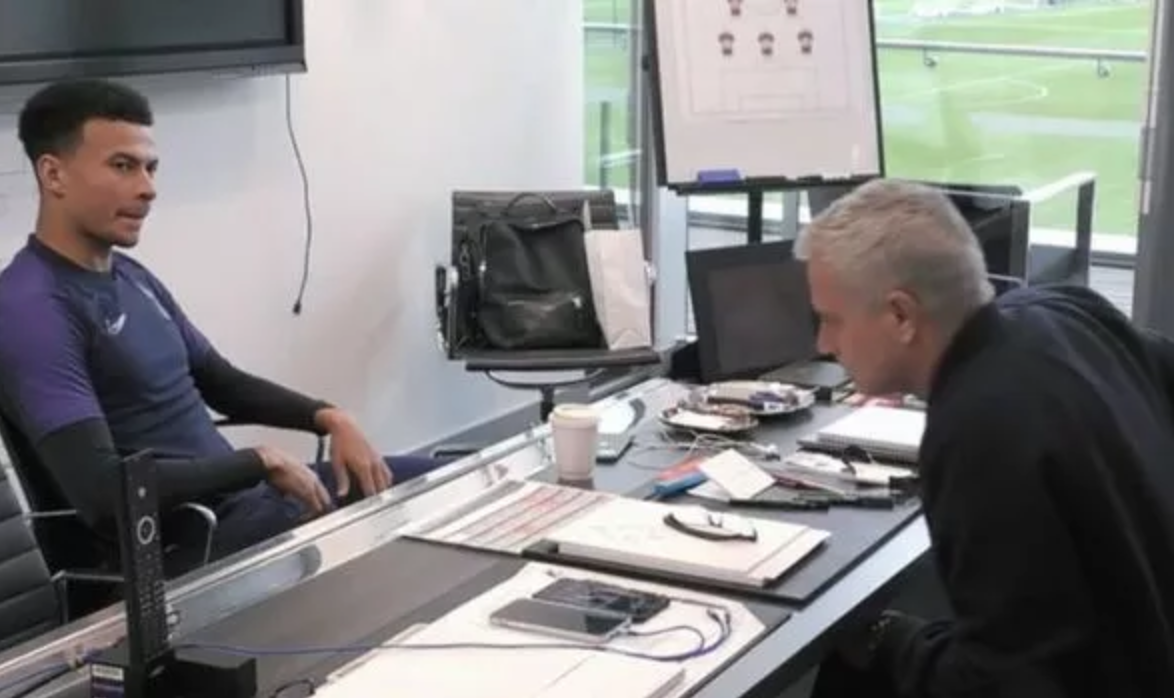

Not getting a professional contract can be a tough experience, but there are ways to deal with this situation and move forward. It’s important to take some time to process your emotions and allow yourself to feel disappointed and upset. However, it’s also crucial to reflect on what you can learn from the experience and set new goals for yourself. Seeking out new opportunities, such as playing for a semi-professional team or a club team, can help you stay sharp and continue to improve your skills. It’s also essential to stay positive and keep things in perspective. Remember that not getting a professional contract is not the end of the road, and there are other paths you can take to achieve your goals.
As a coach, it’s essential to provide support and guidance to athletes who may be struggling with not getting a professional contract. Allow athletes to express their feelings and give them space to process their emotions. Encourage them to set new goals and work with them to develop a plan for achieving those goals. Offer resources and support to help them navigate this difficult time and connect them with new playing opportunities. Help them stay positive and keep things in perspective, and continue to provide support and guidance as they navigate their careers.
Clubs can also play a significant role in supporting athletes who have not received a professional contract. Provide guidance and advice to athletes on how to navigate this difficult time and set new goals for themselves. Offer ongoing support, including access to training facilities, coaching, and other resources to help them stay sharp and continue to improve their skills. Connect athletes with other opportunities, such as semi-professional teams or club teams, and offer mental health support to those who may be struggling.
Agents can also be a valuable resource for athletes who have not received a professional contract. Offer guidance and advice on how to navigate this difficult time and set new goals for themselves. Connect athletes with new playing opportunities and provide support and representation as they continue to pursue their careers. Offer mental health support to those who may be struggling with the disappointment of not receiving a professional contract. By offering guidance and support, agents can help athletes navigate this difficult time and continue to pursue their goals, even if they have not received a professional contract.
As a parent, it’s important to provide support and guidance to your child when they don’t receive a professional contract. Allow your child to express their feelings and give them space to process their emotions. Encourage them to set new goals and work with them to develop a plan for achieving those goals. Provide ongoing support and encouragement, and help your child connect with resources, such as coaches, agents, or mental health professionals. Remind your child that not getting a professional contract is not the end of the road, and there are other paths they can take to achieve their goals. Encourage them to stay positive and keep things in perspective. By offering support and guidance, parents can help their child stay motivated and focused on achieving their goals, even when things don’t go as planned.
Here is a summary of the key points on how to deal with not getting a professional contract:
- Take some time to process your emotions: It’s okay to feel upset and disappointed when you don’t get a professional contract. Give yourself permission to feel those emotions and take some time to process them.
- Reflect on what you can learn from the experience: Not getting a professional contract can provide valuable insights and learning opportunities. Reflect on what you can learn from the experience and how you can use that knowledge to improve in the future.
- Set new goals: Not getting a professional contract doesn’t mean you should give up on your dream of becoming a professional athlete. Set new goals for yourself and work towards achieving them.
- Seek out new opportunities: While a professional contract may not have worked out, there may be other opportunities to continue playing at a high level. Look into playing for a semi-professional team, or even joining a club team.
- Stay positive and keep perspective: It’s easy to get discouraged when things don’t go as planned, but it’s important to stay positive and keep things in perspective. Remember that not getting a professional contract is not the end of the world, and there are other paths you can take to achieve your goals.