
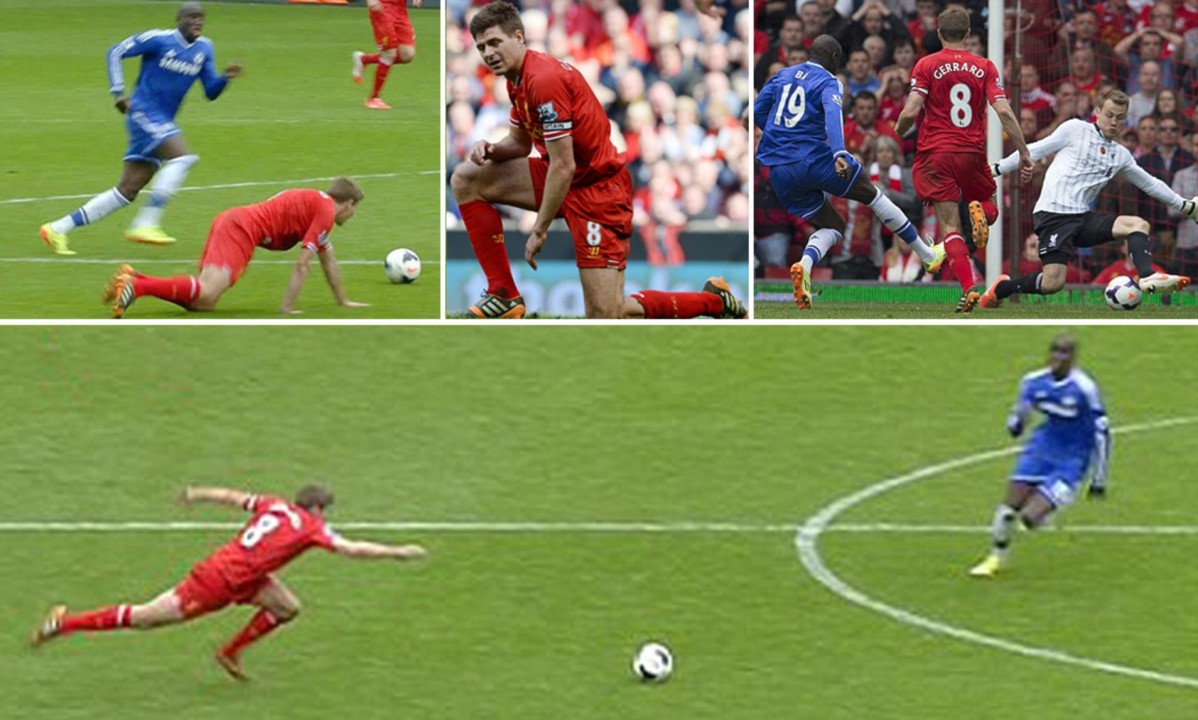

Dealing with a player who makes a crucial mistake can be one of the toughest challenges that coaches, teammates, and support staff face. It can be frustrating, disappointing, and even demoralizing when a player makes a mistake that affects the outcome of a game or competition. However, it’s important to remember that mistakes are a natural part of sports and that everyone makes them. The key is to learn from the mistake, move on, and focus on the tasks and goals ahead.
So, how can you best support a player who has made a crucial mistake? Here are a few tips to keep in mind:
- Stay calm: When a player misses a crucial shot or makes an error that leads to a goal, it can be tempting to get upset or angry. However, lashing out at the player or showing frustration will not help the situation and may even make things worse. Instead, try to remain calm and composed, and focus on finding a solution.
- Encourage the player: Let the player know that you believe in them and that they are still an important part of the team. Offer words of encouragement and support, reminding them that everyone makes mistakes and that it’s how we learn and grow from those mistakes that really matters. For example, you could say something like, “I know that was a tough play, but you’re an incredible player and I have full confidence in your abilities. Let’s focus on the next play and make it a positive one.”
- Focus on the future: It’s important to recognise that mistakes are a natural part of sports and that everyone makes them. Encourage the player to learn from the mistake and move on, focusing on the tasks and goals ahead. Remind them that the most important thing is to keep working hard and striving for improvement. For example, you could say, “Okay, that didn’t go as planned. But we can’t change the past, so let’s focus on what we can control and make the next play count.”
- Communicate with the player: Talk to the player about what happened and try to understand their perspective. This can help to identify any areas that need improvement and come up with strategies for avoiding similar mistakes in the future. It’s also a good idea to discuss how the player can bounce back from the mistake and regain their confidence. For example, you could say, “Can you tell me what happened on that play? I want to understand your perspective and see if there are any areas we can work on to prevent similar mistakes in the future.”
- Keep things in perspective: It’s important to remember that sports are just a game, and that there will be ups and downs. Try not to get too caught up in any one mistake and instead focus on the overall progress and development of the team. Remember that it’s not about winning or losing, but about working together, having fun, and striving for personal and team improvement. For example, you could say, “I know this loss is tough, but we’ve made a lot of progress this season and I’m proud of the effort everyone has put in. Let’s regroup, refocus, and come back even stronger next game.”
Real life example:
During a crucial knock-out stage game, one of the players on the team made a mistake that resulted in a transition and ultimately cost the team the game. The coach knew that the player was devastated and was likely feeling a lot of pressure and self-doubt.
Rather than getting angry or lashing out at the player, the coach chose to stay calm and offer words of encouragement and support. He reminded the player that everyone makes mistakes and that it’s how we learn and grow from those mistakes that really matters.
The coach also took the time to communicate with the player, asking him about what happened and trying to understand his perspective. They discussed strategies for avoiding similar mistakes in the future and worked on boosting the player’s confidence.
Overall, the coach took a supportive and positive approach, which helped the player to learn from the mistake and move on. As a result, the player was able to bounce back and contribute to the team’s success in future games.
In conclusion, dealing with a player who makes a crucial mistake can be a challenging and emotional experience, but it’s important to stay calm, offer support and encouragement, and focus on the future. By taking a positive and proactive approach, coaches, teammates, and support staff can help players to learn from their mistakes and move on, while also boosting their confidence and helping them to continue to grow and improve.
One way to focus on the future and help players avoid similar mistakes is to communicate with them and identify areas for improvement. This could include working on specific skills or techniques, implementing strategies to prevent mistakes, or simply offering support and guidance as players navigate the ups and downs of sports.
Frederico Morais.